When people think of fitness, they usually picture weightlifting, cardio machines, or intense HIIT sessions. But there’s another crucial component of a healthy lifestyle that often gets overlooked: stretching and mobility. These simple yet powerful practices help prevent injuries, reduce muscle soreness, improve posture, and even support mental well-being. Whether you’re an athlete or a desk worker, stretching and mobility exercises deserve a regular place in your routine.
What Is the Difference Between Stretching and Mobility?
Before diving into the benefits, it’s important to understand the difference between stretching and mobility:
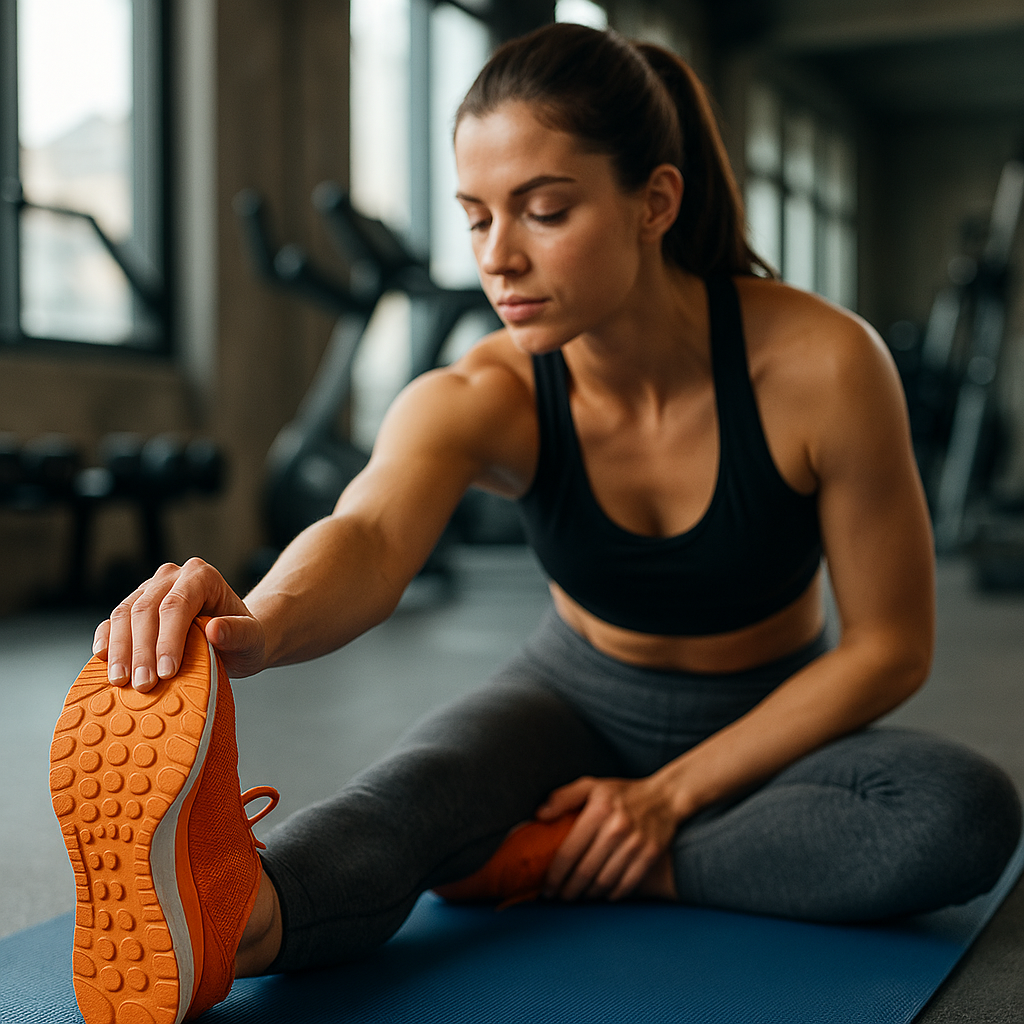
- Stretching focuses on lengthening a specific muscle or muscle group to improve flexibility. It can be static (holding a stretch) or dynamic (moving through a range of motion).
- Mobility involves the movement of joints through their full range of motion. It’s about how well you can move your body, not just how far you can stretch a muscle.
Think of stretching as a piece of the mobility puzzle — one improves muscle flexibility, the other focuses on functional movement.
Why Stretching Matters in Everyday Life
You don’t need to be a yoga enthusiast to benefit from stretching. Incorporating even just 5–10 minutes of daily stretching can lead to long-term benefits for your health:
- Improved posture: Regular stretching helps balance tight and weak muscles that cause poor posture, especially from sitting all day.
- Reduced tension: Stretching releases tightness in your neck, shoulders, hips, and lower back.
- Better circulation: Increased blood flow helps deliver oxygen and nutrients to your muscles.
- Stress relief: Stretching slows down your breathing, calms the mind, and reduces anxiety.
It’s one of the simplest and most accessible forms of self-care.
The Role of Mobility in Injury Prevention
Good mobility is essential for safe and efficient movement, both in and out of the gym. Poor joint mobility can lead to compensations elsewhere in the body, which increases the risk of injury over time.
For example:
- Limited ankle mobility affects your squat form.
- Tight hip flexors can cause lower back strain.
- Stiff shoulders limit overhead movements and presses.
Incorporating mobility drills before your workouts prepares your joints for action and allows your muscles to function properly under stress.
When and How to Stretch or Train Mobility
Not all stretching and mobility work should be done the same way. Here’s a simple guide:
- Before a workout: Focus on dynamic stretches and mobility drills to activate your body. Think leg swings, arm circles, hip openers, and deep squats.
- After a workout: Use static stretching to cool down and lengthen muscles. Hold each stretch for 20–30 seconds and breathe deeply.
- On rest days: A short mobility flow or yoga session can aid recovery and keep your body moving well.
The goal is to make movement easier, more comfortable, and more efficient.
Simple Stretches and Mobility Exercises for Beginners
You don’t need any special equipment to get started. Here are a few beginner-friendly moves you can try:
- Cat-Cow (spine mobility)
- World’s Greatest Stretch (full-body activation)
- Child’s Pose (lower back release)
- Hip Flexor Stretch
- Standing Hamstring Stretch
- Shoulder Circles
Try combining 2–3 of these moves at the start or end of your workout, or dedicate a few minutes daily to a mobility routine.